专业说明
Early Adolescent Orthodontics
The key to helping your child grow with confidence during the golden window

The key to helping your child grow with confidence during the golden window
#Guided facial growth #Correct mouth breathing and poor muscle habits #Measurable interception of malocclusion
专业说明
01
Advanced facial-growth management with gentle, digitally guided orthodontic care
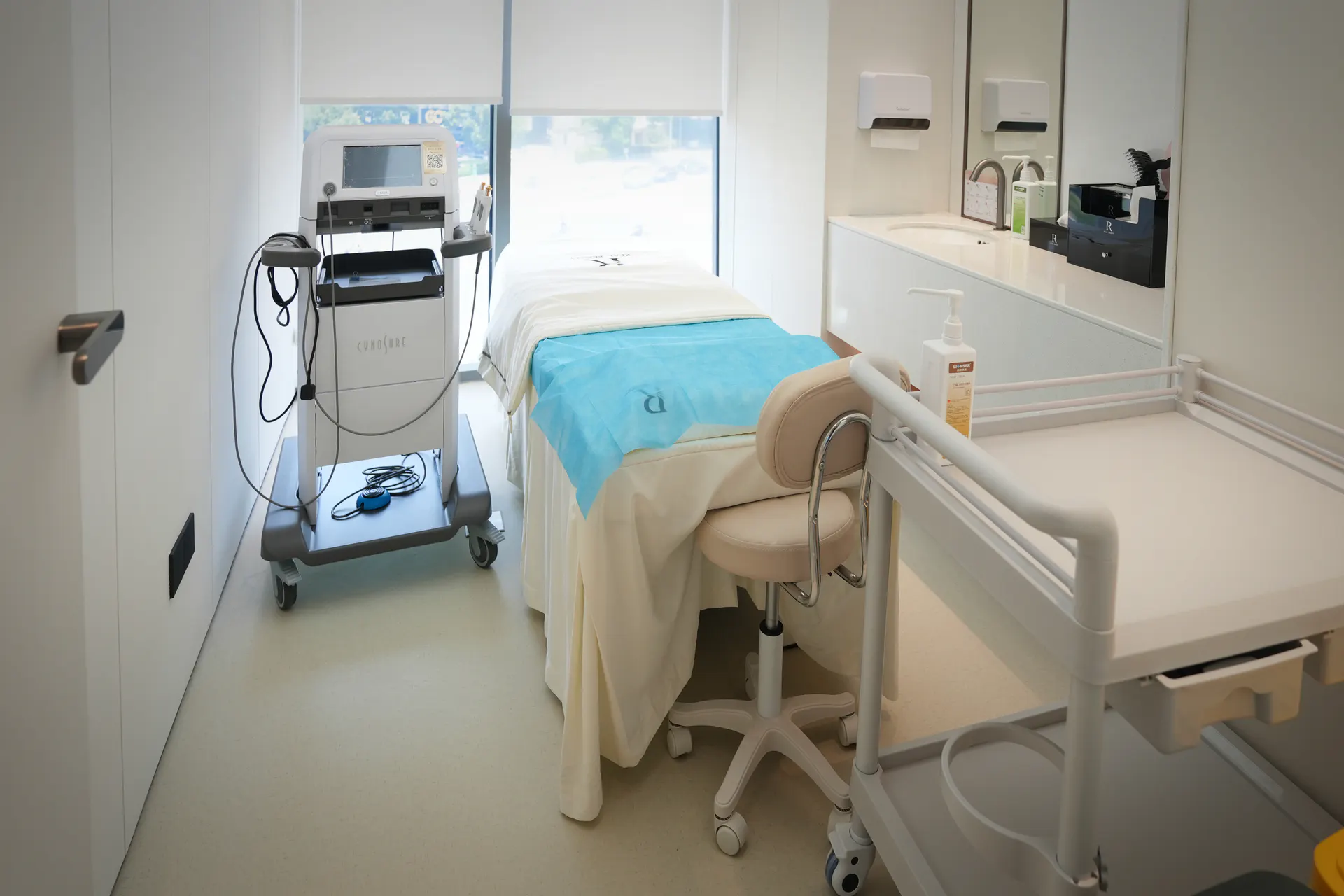
Advanced facial-growth management with gentle, digitally guided orthodontic care
Dual-action whitening for powerful brightening with enamel protection
REAL does not accept the passive idea of waiting until all permanent teeth have erupted. Early intervention is not merely about straightening teeth: it uses the peak growth period from ages 5 to 12 to guide healthy jaw development in step with skeletal growth. It addresses protrusion, underbite, and a retruded chin at their source while scientifically managing future facial contours and the profile line.
A dedicated doctor providing gentle, low-discomfort care throughout
Early intervention requires precise prediction of skeletal development and an excellent rapport with children. REAL's experienced pediatric orthodontic team understands complex myofunctional training and growth-guidance techniques, as well as child-centered communication. One dedicated doctor follows the entire process so children can progress in a relaxed, reassuring environment.
More than 120 quality controls focused on periodontal health and a protective oral barrier
REAL uses internationally established pediatric myofunctional and invisible early-treatment systems. More than 120 core controls cover medical-grade, nontoxic appliance materials, precise light forces for delicate periodontal tissue, swallowing-muscle training, and sterile infection control. Each follows stringent international medical safety standards to protect developing tooth roots.
REAL's Youth Early Intervention Center believes prevention is better than treatment. During the golden growth period, digital technology enables precise interception of malocclusion while supporting healthy occlusion and whole-face skeletal aesthetics, helping children enjoy childhood with confidence.
- What makes REAL different?
- 02
- 03
专业说明
TEAM REAL
Technology and experience elevated to a new level

Technology and experience elevated to a new level
- Specialists
- Yin Youzai
- Li Yuhang
- Liu Shenghuang
- Tan Feifei
- Wang Shoutao
- Liu Yingjuan
- Gao Junli
- REAL medical team
专业说明
A personalized plan for a beautiful smile

- Ask for details
常见问题
Questions and answers
Why does REAL recommend intervention between ages 5 and 12 instead of waiting until permanent teeth are in?
Q&A
Why does REAL recommend intervention between ages 5 and 12 instead of waiting until permanent teeth are in?
The traditional wait-and-see approach can miss the best window for skeletal guidance. From ages 5 to 12, the jaws are growing rapidly and remain highly adaptable. Underbite, protrusion, and a retruded chin are often related to mouth breathing, abnormal swallowing, or low muscle tone. Early intervention can guide bones toward the correct position; after growth has advanced and the permanent teeth have erupted, treatment may require extraction orthodontics or even orthognathic surgery in adulthood.
How is early treatment performed? Will the appliance hurt or interfere with eating and school?
REAL mainly uses advanced myofunctional trainers such as MRC or LM appliances, or fully invisible early aligners designed for children. These appliances are gentle and safe. A myofunctional trainer is generally worn during sleep with one to two hours of light daytime training, without disrupting school, meals, or speech. It acts like a gentle guide for skeletal growth and causes little discomfort.
Can early intervention improve thumb biting or mouth breathing?
It can address the underlying cause. Mouth breathing, lip biting, and tongue thrusting can contribute to protruding teeth, open bite, and excessive facial length. REAL's early program includes professional correction of oral myofunctional disorders, physically guiding nasal breathing, proper tongue posture, and balanced facial-muscle pressure so the teeth and jaws regain harmony as harmful habits improve.
How do I know whether my child needs early intervention, and how does REAL measure it?
REAL uses advanced pediatric intraoral scanning and AI bone-age prediction. In minutes, oral data is captured without discomfort and the projected jaw-growth path is simulated at full scale. If a child has obvious crowding, a markedly retruded chin, difficulty biting food, or facial asymmetry, a digital orthodontic screening around age six is recommended,the earlier the finding, the earlier the benefit.
专业说明
Follow-up notes after early pediatric facial-growth intervention
Real cases of myofunctional growth guidance for young patients

Real cases of myofunctional growth guidance for young patients
- View more
专业说明
The first digital orthodontic screening is recommended at age five or six. Even if the teeth look straight, it can assess jaw-growth trends and future wisdom-tooth space in advance.
Early intervention needs family support. Help your child remain patient and wear the appliance for the prescribed time each day,such as overnight plus daytime training. Consistency is essential for a good result.
Early intervention needs family support. Help your child remain patient and wear the appliance for the prescribed time each day,such as overnight plus daytime training. Consistency is essential for a good result.
Cavities are common in childhood and adolescence. Before early treatment, the doctor checks all primary and permanent teeth and completes any necessary fillings or fissure sealants first.
Whether using removable clear aligners or a myofunctional appliance, brush it clean with cool water every morning and evening. Never use hot water, which can deform the appliance.
During early treatment, the orthodontist creates a personalized digital record of tooth replacement, closely monitoring when impacted or retained primary teeth should be removed to make a clear eruption path for permanent teeth.
Bring your child for follow-up visits as directed, usually every four to six weeks. The orthodontist adjusts the next force-control plan according to the child's changing skeletal growth rate.
联系我们
Book a free international consultation
I agree to the collection and use of my personal information
PRIVATE CONSULTATION
Book a free international consultation
I agree to the collection and use of my personal information